
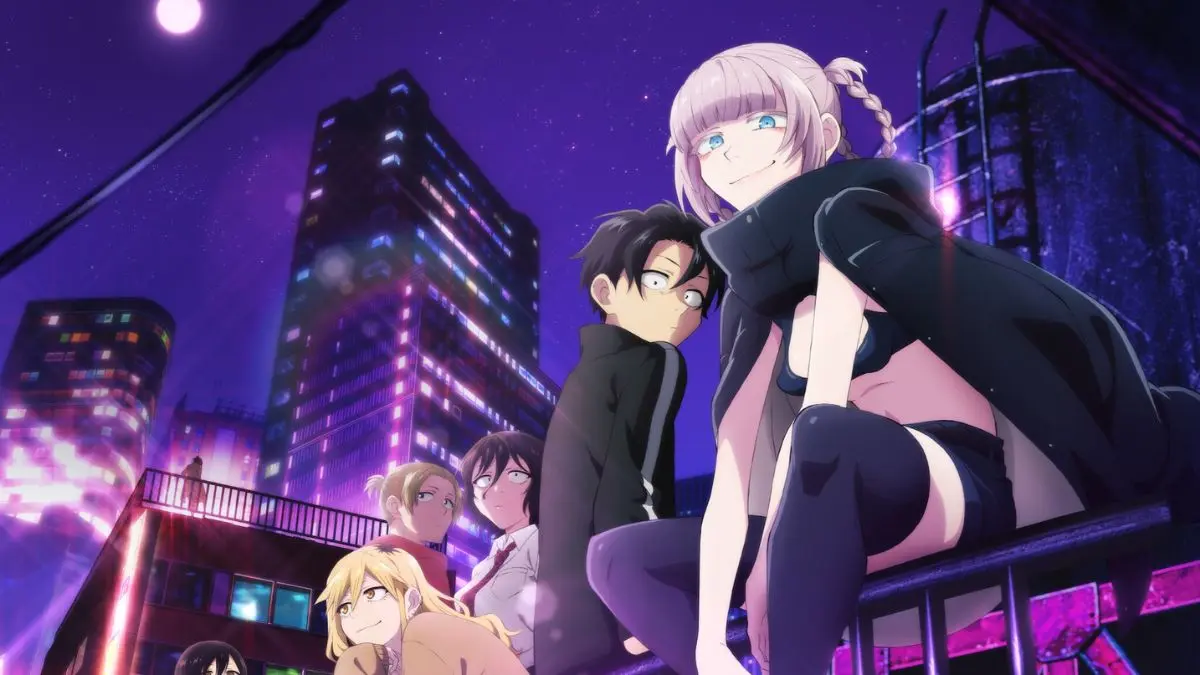
“The nights go on forever now, but the morning comes up quick.” — The Hold Steady
Vampires have rules. Always have. Always will. They crave blood, shun the sun, and wander the midnight streets where ordinary hearts dare not roam.
But in Call of the Night (よふかしのうた), mangaka Kotoyama turns these rules into something more — not just lore, but language. She uses the night itself as a framework for emotion, pacing, and meaning, crafting a story that breathes in rhythm with its nocturnal characters.
The Romance That Begins After Midnight
Our tale starts with Ko Yamori, a restless insomniac teenager, and Nazuna Nanakusa, a mischievous vampire who feeds on his blood in exchange for company.
Together, they strike an unusual bargain: Ko will let Nazuna feed from him, and in return, she’ll one day turn him into a vampire. But there’s a catch — it can only happen if he falls in love with her first.
Sounds simple, right? Not at all. Ko doesn’t know if he can love anyone, and Nazuna, for all her teasing charm, doesn’t know if she can inspire it.
What follows is a slow-burn nocturnal odyssey — the story of two souls learning to understand what love really is, under the fluorescent hum of streetlights and the quiet ache of loneliness.
Vampirism as a Limit — and Liberation
In Call of the Night, vampires aren’t just supernatural beings; they’re architects of the story’s rhythm.
Because Nazuna can’t step into the sunlight, the entire narrative revolves around the hours between dusk and dawn. Every arc, every confrontation, every romantic moment happens in that fragile window — and when the sun rises, everything stops.
Instead of being a limitation, Kotoyama uses this structure as a creative heartbeat. Nights become the domain of emotion, action, and revelation, while mornings bring reflection and pause.
When day breaks, readers are forced to take a breath too — to process the emotional chaos that just unfolded. It’s smart, deliberate storytelling that keeps Call of the Night from ever stagnating.
From Romcom to Horror — The Story That Shifts With the Night
At first glance, Call of the Night feels like a quirky romcom — full of teasing banter, secret crushes, and lazy summer nights. But Kotoyama doesn’t stay still. As the story expands, it shapeshifts.
Ko reconnects with his daytime friends, and suddenly, there’s slice-of-life drama. The vampire council enters, bringing dark humor and moral tension. Then comes Kyoko Meijiro — a vampire hunter with a tragic past, whose war against vampirekind transforms the manga into a tense psychological thriller.
And just when things get too heavy, daylight hits — forcing everyone, including readers, to step back. Kotoyama resets the board. Every morning is a soft reboot, letting the story cool before the next plunge into chaos.
That constant cycle — intensity, reflection, rebirth — is Call of the Night’s secret weapon.
Kyoko’s Arc: The Cost of Waking Up
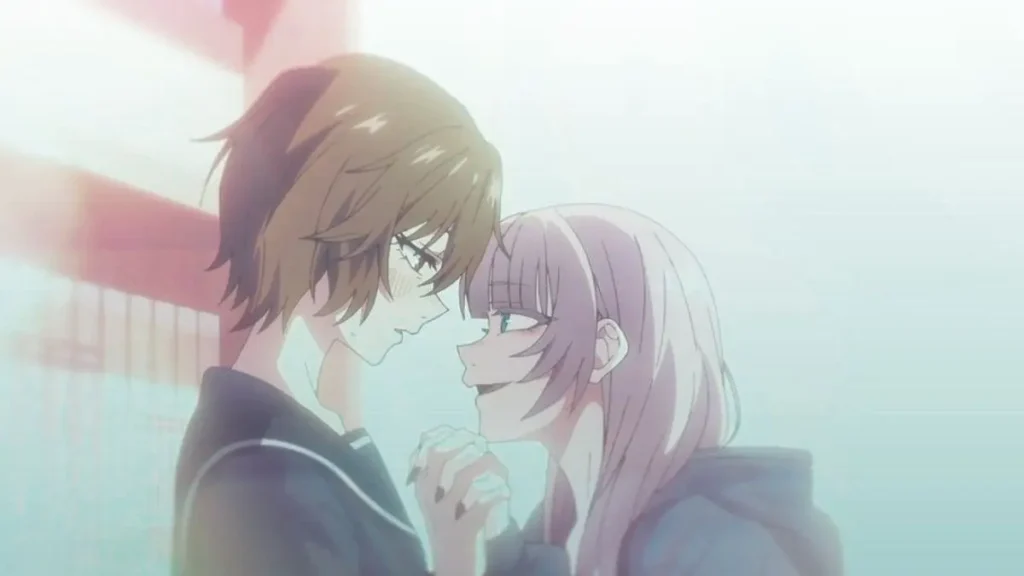
Kyoko’s story is where Call of the Night bares its fangs and its heart. Once a vengeance-driven vampire hunter, Kyoko’s hatred burns out when Ko and Nazuna stop her from destroying vampirekind. She lives, yes — but now she must live with herself.
She’s 28, friendless, broken, and hollow. For years, revenge gave her purpose; now, she has nothing. Kotoyama doesn’t gloss over that despair. She shows how waking up can hurt more than dying — because living means facing what’s left after the hate is gone.
When Kyoko confides this to Ko, it’s one of the series’ most powerful moments. No explosions, no fights — just two souls talking under a tired sky. And it hits harder precisely because the manga’s structure gives it time to sink in.
The Power of Pacing — Built From Darkness
Kotoyama’s mastery lies in her night-by-night storytelling. Each chapter feels like a lived-in moment — sometimes wild and loud, other times hauntingly quiet. Battles crash and fade.
Confessions spill out in whispers. Every “night” arc breathes until the dawn cuts it short, and every morning carries the lingering aftertaste of what just happened.
It’s not just pacing — it’s philosophy. The story lives in the rhythm of its own world: burn bright, fade slow, start again.
Why “Call of the Night” Feels So Alive
At its core, Call of the Night is about people who can’t sleep — literally and emotionally. Every vampire, every human, every broken soul in Kotoyama’s city is searching for something that only exists when the world is quiet.
Nazuna and Ko aren’t just chasing love — they’re chasing meaning in a sleepless life. And that’s why Call of the Night resonates so deeply. It’s not just about vampires in neon alleys; it’s about the loneliness that glows in all of us, and how connection — even in fleeting moments — makes the night worth living.
ALSO READ: One Piece Anime to Slow Down in 2026: Hiatus, Episode Cap, and a New Era for the Straw Hats
Conclusion: The Night That Never Ends
Call of the Night takes a timeless myth and reimagines it as a slow, rhythmic heartbeat pulsing through Tokyo’s midnight air. It’s a story where love is uncertain, time is limited, and every sunrise feels like both an ending and a beginning.
Kotoyama doesn’t just use vampires as characters; she uses them as structure. The night isn’t a setting — it’s a rule, a rhythm, a promise. And within that rhythm, Ko and Nazuna grow, falter, laugh, fight, and fall in love.
Like the best vampire tales, it lingers.
Like a kiss that changes everything.
Like the last sigh before sunrise.