There’s something quietly poetic about the word “Yuri.” It rolls off the tongue softly, like a petal caught in the wind — delicate, but carrying decades of meaning.
In the world of anime and manga, Yuri refers to stories that explore romantic, emotional, or spiritual bonds between women. But behind that sweetness lies a history that’s bold, rebellious, and deeply human.
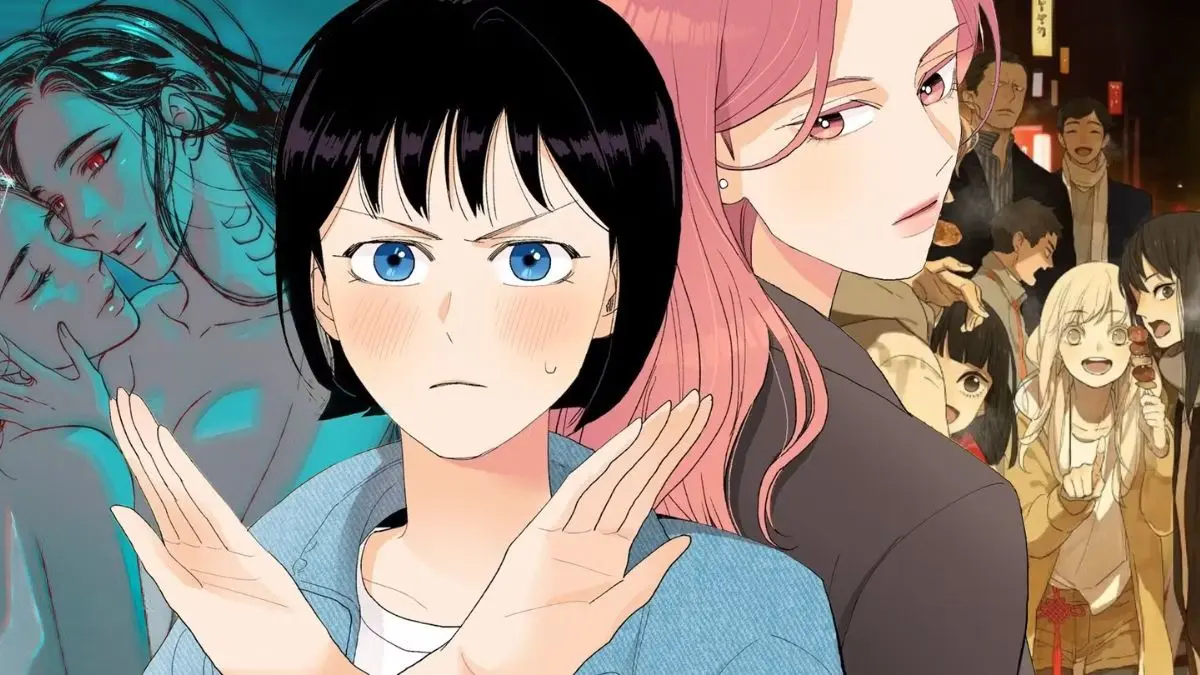
When we talk about Yuri anime today — Bloom Into You, Citrus, Whispered Words, or Kase-san — we’re seeing the modern bloom of a seed planted decades ago.
What started as a coded term in a men’s magazine eventually grew into a full-fledged genre that celebrates love beyond labels.
This isn’t just an article about a genre; it’s the story of how one word became a cultural symbol. How a flower became a flag. How a generation of creators and fans turned Yuri from silence into song.
The Origins of “Yuri” — When Roses Met Lilies
Back in the 1970s, Japan’s queer culture was only beginning to step out of the shadows. The word “Yuri” didn’t come from anime, nor did it spring from academia.
Its roots were far humbler — and far more radical. It began in the pages of Barazoku, Japan’s first gay men’s magazine, whose name literally meant “Rose Tribe.”
Within its pages bloomed a section called the “Yurizoku no Corner” — the “Lily Tribe’s Corner.” This column was a space for women who loved women to share their thoughts, meet others, and simply exist in a world that barely acknowledged them.
The editor, Ito Bungaku, chose the lily as a symbol of femininity and purity — not as a mark of shame or secrecy, but of natural beauty. And just like that, the word Yuri (百合) — meaning lily — took root as a quiet symbol of lesbian love and identity in Japan.
It wasn’t shouted; it bloomed softly, rebelliously, between the pages of a magazine meant for men, where it found its own way to shine.
Why the Lily Became a Symbol
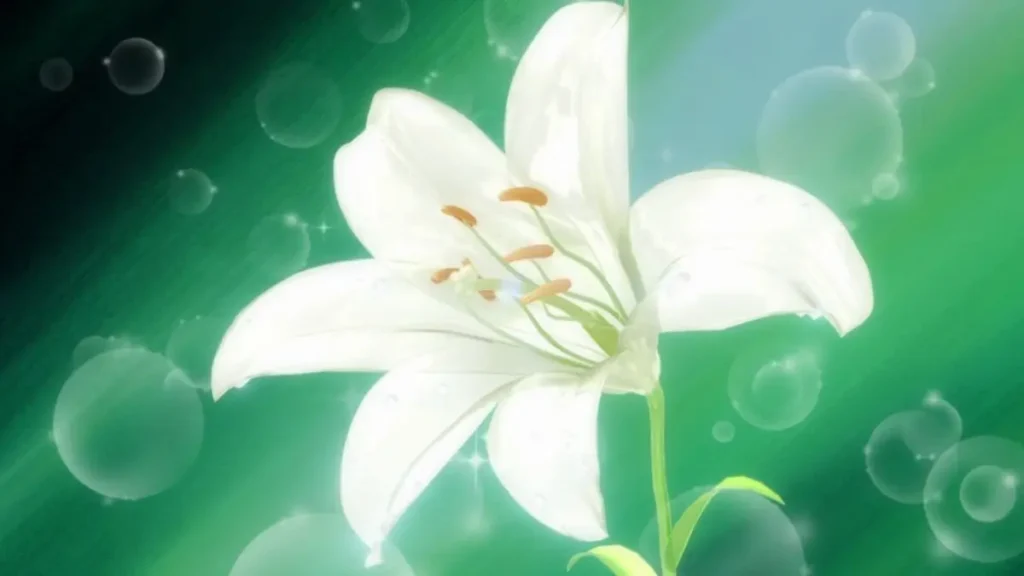
In Japanese symbolism, the lily flower has long been tied to grace, elegance, and devotion. But it also carried another layer of meaning. The lily represented the feminine spirit itself — soft yet resilient, beautiful yet untamed. Over time, this symbolism made it the perfect metaphor for relationships between women.
Much like the rose represented love between men in Barazoku, the lily became its mirror — the emblem of love between women. It wasn’t just a random floral choice; it was poetry. It said, “We exist, we love, and our love is natural.”
By adopting the lily, the community didn’t just find a word; they found a cultural shield — something that allowed them to express love without facing direct censorship or scorn. When readers spoke of “lilies,” they weren’t just talking about flowers; they were speaking in code, protecting something sacred.
Before “Yuri” — The Hidden Bonds in Early Shoujo Stories
Before the term Yuri ever existed, its spirit was already alive in the stories of early Japanese girls’ literature. Back in the 1920s and 1930s, there were tales of close, emotionally intense friendships between schoolgirls — relationships known as “S-Class” romances. These were deep, heartfelt connections that sometimes blurred the line between friendship and romantic love.
In these early stories, girls exchanged letters, promises, and lingering glances. They’d speak of “eternal friendship” — a phrase that often carried the unspoken weight of affection society didn’t allow them to name. These tales weren’t explicit; they were achingly subtle, like a secret hidden behind a smile.
Though these relationships were considered “pure” and “innocent,” readers knew better. There was passion in the restraint, power in the silence.
And decades later, that same emotional undercurrent became the foundation for Yuri storytelling — from the quiet confessions of Maria Watches Over Us to the bittersweet emotions of Strawberry Panic!
The truth is, Yuri didn’t start with sexuality — it started with connection.
The Cultural Divide — Lesbianism vs. Yuri
Here’s where it gets complicated: in Western culture, the word “lesbian” is an identity. But in Japan, same-sex relationships weren’t historically framed that way. Love between women was seen as a phase, a youthful experience, or simply a literary theme rather than a lifelong identity.
So while Western lesbian activism in the 1970s fought for rights and recognition, Japan’s portrayal of women loving women evolved more quietly — through art, emotion, and metaphor. The concept of Yuri wasn’t born from political struggle; it grew from artistic curiosity.
This difference is why Yuri feels unique. It isn’t always about sexuality — it’s about intimacy, emotional vulnerability, and connection. Yuri stories don’t ask “Who am I?” They ask “What is love, and what does it mean to feel it deeply?”
In that sense, Yuri transcends boundaries. It’s not just for women or for queer readers — it’s for anyone who understands that love, in all its forms, deserves a place in art.
Read More At: AnimeSagaZone
The Doujinshi Era — When Fans Took Control
Jump to the 1990s, and the underground art scene was thriving. The rise of doujinshi — self-published fan comics — gave fans the freedom to tell stories big publishers wouldn’t touch. Among them were creators exploring relationships between female characters.
Instead of calling them Yuri, fans often used terms like “Onna x Onna” (Woman x Woman) or “Girl x Girl.” These pairings appeared in fan works for mainstream series like Sailor Moon, Revolutionary Girl Utena, and Cardcaptor Sakura. Fans were rewriting the stories they loved — turning subtext into text, and friendship into romance.
These weren’t fetishized works; they were expressions of longing, identity, and imagination. And as this movement grew, something remarkable happened — the word Yuri came back into use, stronger than ever.
For a community that had long been dismissed or fetishized by outsiders, reclaiming Yuri was an act of artistic rebellion. It was a way of saying: “This isn’t just for your gaze. It’s our story.”
The Rise of the Modern Genre — When Yuri Found Its Voice
The turn of the millennium changed everything. In 2003, the first dedicated Yuri magazine, Yuri Shimai, hit the stands. For the first time in history, there was a publication only for stories about women’s love and connection. Two years later, it evolved into Yuri Hime, a magazine that would become the beating heart of the genre.
At the center of this revolution was Erica Friedman, founder of Yuricon and early Western Yuri advocate. At a café in Tokyo in 2005, surrounded by creators and editors, she was asked, “How do you define Yuri?” She smiled and said, “Anything I like is Yuri.” Everyone laughed — but in that laughter, a truth was born.
Yuri wasn’t something you boxed in with rules; it was a feeling, an aesthetic, a heartbeat that artists and fans shared. Around the same time, the first official Yuri conventions appeared, giving fans a place to meet, celebrate, and discuss stories that reflected their emotions.
What began as a coded word in a gay magazine was now standing proudly beside Shounen, Shoujo, and Seinen as a genre of its own.
The Great Debate — Yuri vs. Girl’s Love (GL)
Not long after Yuri Hime’s success, publishers decided to simplify things for marketing. They coined a new term: “Girl’s Love” (GL) — meant to mirror Boy’s Love (BL), the genre for male-male romance stories.
But fans and creators weren’t happy. They rejected GL for one big reason: it sounded soulless. It erased the flower’s symbolism, the community’s history, and the rebellion that gave birth to Yuri.
“Girl’s Love” was something you could slap on a cover to sell copies. Yuri was something you felt — a connection rooted in both emotion and heritage.
To call it “Girl’s Love” was to forget the women who carved out a space for it when the world didn’t want them to. Fans weren’t against modernization — they were against erasure. And so, while the term GL still floats around in marketing, Yuri remains the true heartbeat of the genre.
The 2010s Bloom — When Yuri Became Mainstream
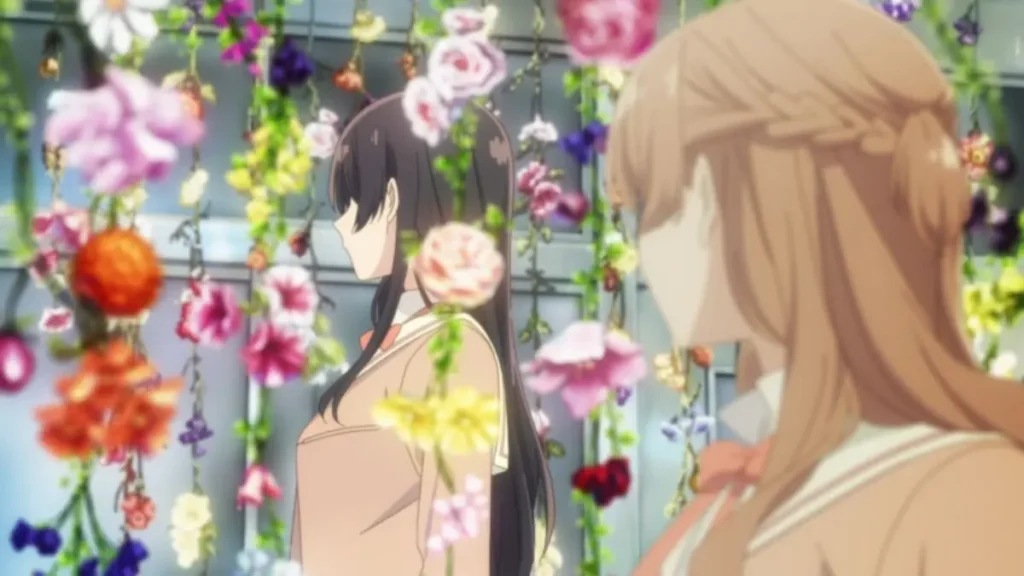
The 2010s marked the golden age of modern Yuri.
Digital platforms like JManga and BookWalker Global began giving Yuri its own category. Suddenly, readers could browse and buy Yuri manga directly, without having to dig through unrelated genres. That was huge.
Meanwhile, in Japan, major stores began dedicating entire sections to Yuri. The most iconic example? The Ikebukuro Animate Store, which opened a special Yuri Section with a grand event called “Yurimate.” For fans, it was like walking into a dream — shelves filled with manga celebrating every shade of love between women.
At the same time, the 2014 Eureka literary magazine issue titled “The Current State of Yuri Culture” officially cemented Yuri as a legitimate cultural genre. No longer underground, no longer a secret — Yuri was recognized as part of Japan’s modern art landscape.
The Western Awakening — Yuri Goes Global
In the West, Yuri found an audience that was hungry for something real — something tender, emotional, and raw. Titles like Citrus, Bloom Into You, Kase-san and Morning Glories, Whispered Words, and Adachi and Shimamura became gateways for new fans discovering what Yuri really meant.
For many, these stories weren’t just entertainment — they were mirrors. Mirrors of love that didn’t fit the mold, of emotions that never found words in real life.
Western anime fandom embraced Yuri not just as a niche genre, but as a statement of diversity and emotional honesty.
YouTube reviewers, fan artists, and TikTok creators began celebrating Yuri aesthetics — soft palettes, emotional dialogue, gentle intimacy. The genre became a vibe, a culture, a movement. And in that movement, the lily bloomed again, this time across oceans.
The Essence of Modern Yuri — More Than Just Romance
What makes Yuri so powerful today is its range.
It’s not just about love confessions under cherry blossoms. It’s about growing up, figuring out who you are, and finding strength in connection. Modern Yuri explores themes like adulthood (After Hours), fantasy (Symphogear), and heartbreak (Yagate Kimi ni Naru).
It’s not just for female audiences or LGBTQ+ readers — it’s for anyone who believes love stories should be real, not formulaic.
And unlike Boy’s Love, which often follows certain tropes, Yuri refuses to be pinned down. It can be shy or bold, funny or tragic, realistic or fantastical. It lives in that emotional space between words — where silence says more than dialogue ever could.
That’s the beauty of it. Yuri isn’t a formula; it’s a feeling.
Why We Still Call It “Yuri”
Because “Yuri” means more than just girls in love. It’s history. It’s rebellion. It’s poetry disguised as a genre.
Every time someone says the word Yuri, they’re invoking decades of evolution — from coded ads in Barazoku, to the café meetings that birthed Yuri Hime, to today’s streaming platforms that proudly feature Yuri anime.
It’s a word that carries defiance wrapped in beauty — a reminder that love doesn’t need approval to exist. It only needs expression.
So the next time you see two girls share a glance, a secret, or a smile that says a thousand things — know that you’re witnessing the soul of Yuri. A genre that began as a whisper and grew into a voice that spans continents.
Because love — real love — always finds a way to bloom.
Conclusion
In the end, Yuri isn’t just a genre — it’s a language of emotion. It speaks in glances, in unspoken words, in the quiet warmth between two girls sitting beneath a falling sunset.
What began as a niche corner of Japanese subculture has now blossomed into a global movement, celebrated by fans who see beauty in love that doesn’t fit the mold.
The word “Yuri” carries both history and hope — born from the “Lily Tribe,” nurtured through years of creative rebellion, and finally recognized as its own thriving identity within anime and manga.
When we call it “Yuri,” we’re not just naming stories — we’re honoring a lineage of creators and fans who turned silence into art, stigma into storytelling, and affection into freedom.
It’s more than petals and symbolism; it’s the heartbeat of connection that keeps the fandom alive. And maybe that’s the real magic of Yuri — it keeps blooming, no matter the season.
Frequently Asked Questions (FAQs)
1. What does “Yuri” mean in anime and manga?
“Yuri” refers to a genre in Japanese anime, manga, and related media that focuses on emotional, romantic, or physical relationships between female characters.
The term literally means “lily,” symbolizing purity and feminine beauty.
2. How did the term “Yuri” originate?
The word first appeared in the 1970s in the lesbian column “Yurizoku no Corner” (“Lily Tribe’s Corner”) in Barazoku, Japan’s first gay men’s magazine. Over time, “Yuri” evolved into a recognized genre that celebrates stories about women’s connections — both romantic and emotional.
3. Is Yuri the same as “Girl’s Love” (GL)?
Not exactly. While both terms involve women’s relationships, “Yuri” has deeper historical and cultural roots. “GL” was a marketing term created by publishers, whereas “Yuri” connects to the symbolic and emotional lineage of the genre itself.
4. Does this article promote LGBTQ, lesbian, or gay culture?
No. This article doesn’t promote or encourage any lifestyle or ideology. It’s purely educational — explaining the cultural and historical background of the Yuri genre in anime and manga. It aims to inform fans about how the term developed, not to promote beliefs.
5. Why is Yuri so popular among fans worldwide?
Fans love Yuri because it goes beyond labels — it’s about emotion, connection, and vulnerability. Whether it’s friendship that blossoms into love or quiet longing between two souls, Yuri captures human feeling in a beautifully artistic way that resonates with everyone.